Cultivating Resilience Through Urban Meditation Practices
- iandres2394
- Sep 16, 2025
- 5 min read
In our fast-paced urban lives, stress can feel like a constant companion. The noise, the rush, and the never-ending to-do lists can overwhelm even the most composed individuals. However, there is a powerful tool that can help us navigate these challenges: meditation. Urban meditation practices offer a unique way to cultivate resilience, allowing us to find peace amidst the chaos.
In this blog post, we will explore various urban meditation techniques, their benefits, and how you can easily incorporate them into your daily routine.
Understanding Urban Meditation
Urban meditation is a practice that adapts traditional meditation techniques to fit the bustling city environment. It recognizes that finding stillness in a noisy world can be challenging, yet it is essential for mental well-being.
What Makes Urban Meditation Unique?
Accessibility: Urban meditation can be practiced anywhere, from parks to public transport. You do not need a quiet room or a special setting.
Flexibility: These practices can be short and simple, making them easy to fit into a busy schedule.
Community: Many urban meditation groups foster a sense of community, allowing individuals to connect and share their experiences.
By embracing urban meditation, you can develop resilience and improve your ability to cope with stress.
The Benefits of Urban Meditation
Meditation offers numerous benefits, especially in an urban setting. Here are some key advantages:
1. Stress Reduction
Meditation helps lower stress levels by promoting relaxation. When you meditate, your body releases tension, allowing you to feel more at ease.
2. Improved Focus
Regular meditation practice enhances your ability to concentrate. This is particularly beneficial in a city where distractions are everywhere.
3. Emotional Resilience
Meditation fosters emotional awareness. By understanding your feelings, you can respond to challenges with greater clarity and calmness.
4. Enhanced Creativity
Taking time to meditate can spark creativity. It allows your mind to wander and explore new ideas, which is essential in a fast-paced urban environment.
5. Better Relationships
Meditation encourages empathy and compassion. As you become more aware of your emotions, you can better connect with others, improving your relationships.
Simple Urban Meditation Techniques
Now that we understand the benefits, let’s explore some simple urban meditation techniques you can try.
Mindful Breathing
Mindful breathing is one of the easiest forms of meditation. Here’s how to do it:
Find a Comfortable Position: You can sit or stand, whatever feels best for you.
Focus on Your Breath: Close your eyes and take a deep breath in through your nose. Hold it for a moment, then exhale slowly through your mouth.
Count Your Breaths: To help maintain focus, count each breath. Inhale counts as one, exhale counts as two, and so on.
Practice for a Few Minutes: Start with just five minutes and gradually increase the time as you become more comfortable.
This technique can be done anywhere, whether you are waiting for a bus or taking a break at work.
Walking Meditation
Walking meditation combines movement with mindfulness. Here’s how to practice it:
Choose a Location: Find a quiet place, like a park or a less busy street.
Walk Slowly: Take slow, deliberate steps. Focus on the sensation of your feet touching the ground.
Breathe Mindfully: Coordinate your breath with your steps. Inhale for a few steps, then exhale for a few steps.
Stay Present: Notice your surroundings, the sounds, and the smells. Allow yourself to be fully present in the moment.
Walking meditation is a great way to incorporate mindfulness into your daily routine, especially if you commute on foot.
Guided Meditation Apps
If you prefer structure, consider using guided meditation apps. Many apps offer short sessions designed for busy individuals. Here are a few popular options:
Headspace: Offers a variety of guided meditations tailored to different needs.
Calm: Features calming sounds and guided sessions to help you relax.
Insight Timer: Provides a vast library of free meditations from various teachers.
These apps can help you stay consistent with your practice, even in a busy urban environment.
Creating a Meditation Space
While urban meditation can be practiced anywhere, having a dedicated space can enhance your experience. Here are some tips for creating a calming meditation space:
1. Choose a Quiet Corner
Find a spot in your home that feels peaceful. It could be a corner of your living room or a small area in your bedroom.
2. Add Comfort
Use cushions or a yoga mat to make the space comfortable. You want to feel relaxed while you meditate.
3. Incorporate Nature
If possible, add plants or natural elements to your space. They can create a calming atmosphere and improve air quality.
4. Limit Distractions
Keep your meditation space free from distractions. Turn off your phone or any devices that might interrupt your practice.
5. Personalize It
Add items that inspire you, such as candles, crystals, or meaningful objects. Personal touches can make the space feel special.
Overcoming Challenges in Urban Meditation
Meditating in an urban environment can come with its own set of challenges. Here are some common obstacles and how to overcome them:
1. Noise
Urban areas are often noisy, which can be distracting. Try using noise-canceling headphones or listen to calming music while you meditate.
2. Time Constraints
Finding time to meditate can be tough. Start with just a few minutes each day and gradually increase the duration as you find your rhythm.
3. Distractions
It is easy to get distracted by thoughts or surroundings. When this happens, gently bring your focus back to your breath or your chosen meditation technique.
4. Lack of Motivation
Staying motivated can be challenging. Consider joining a meditation group or finding a meditation buddy to keep you accountable.
Integrating Meditation into Daily Life
To truly cultivate resilience, it is essential to integrate meditation into your daily life. Here are some practical tips:
1. Set a Routine
Choose a specific time each day to meditate. Whether it is in the morning or before bed, consistency is key.
2. Use Reminders
Set reminders on your phone or leave sticky notes in visible places to prompt you to meditate.
3. Combine with Other Activities
You can combine meditation with other activities, such as yoga or stretching. This can enhance your practice and make it more enjoyable.
4. Reflect on Your Progress
Keep a journal to track your meditation journey. Reflecting on your experiences can help you stay motivated and recognize the benefits.
The Journey Ahead
As you embark on your urban meditation journey, remember that resilience is built over time. It is not about achieving perfection but rather about creating a practice that works for you.
Embrace the process, and be patient with yourself. Each moment spent in meditation is a step toward greater resilience and well-being.
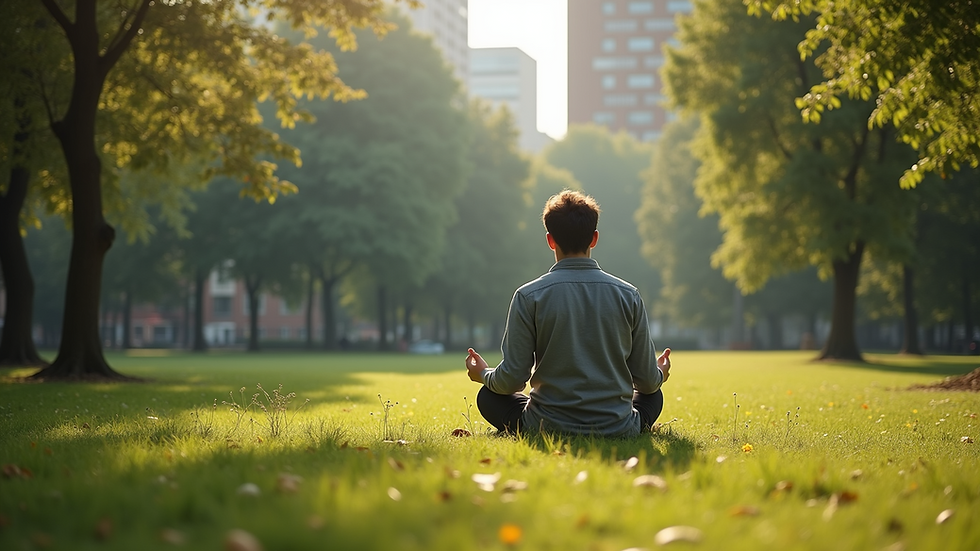
In a world that often feels chaotic, urban meditation can be your sanctuary. By incorporating these practices into your life, you can cultivate resilience and find peace amidst the noise.
So, take a deep breath, find your center, and let the journey of urban meditation unfold. Your path to resilience starts now.


Comments